
Australia's salty plum guide
Everything You Ever Wanted to Know About Salty Plums
From Darwin's famous red salty plums to li hing mui, umeboshi, recipes, ingredients and where to find them across Australia.
Looking to buy salty plums? Visit SaltyPlums.com
4 main styles
Chinese salted plum, li hing mui, hua mei and Japanese umeboshi.
Sour, salty, sweet
The three-note flavour that makes them work in snacks and cocktails.
Darwin-made
A city where salty plums are part of everyday food culture.
Salty Plum 101
What is a salty plum?
A salty plum is a plum preserved with salt. Depending on where it is made, it might be dried and dusted with sugar and licorice, brined until sour, or fermented and sun-dried the Japanese way. The name is a family, not a single product.
The best-known are Chinese salted plums, Hawaiian li hing mui, hua mei and Japanese umeboshi. In Australia, the deep red versions sold in Darwin are the ones most people picture — and they are the reason this site exists.
Quick facts
- • Plums do not grow salty — salt is added during preserving.
- • Colour, sugar and herbs vary hugely by brand and region.
- • Eaten as a snack, in drinks, sauces and desserts.

Varieties
Know your plums
Two salty plums can look alike and taste nothing alike. These are the styles you will meet in Australia.
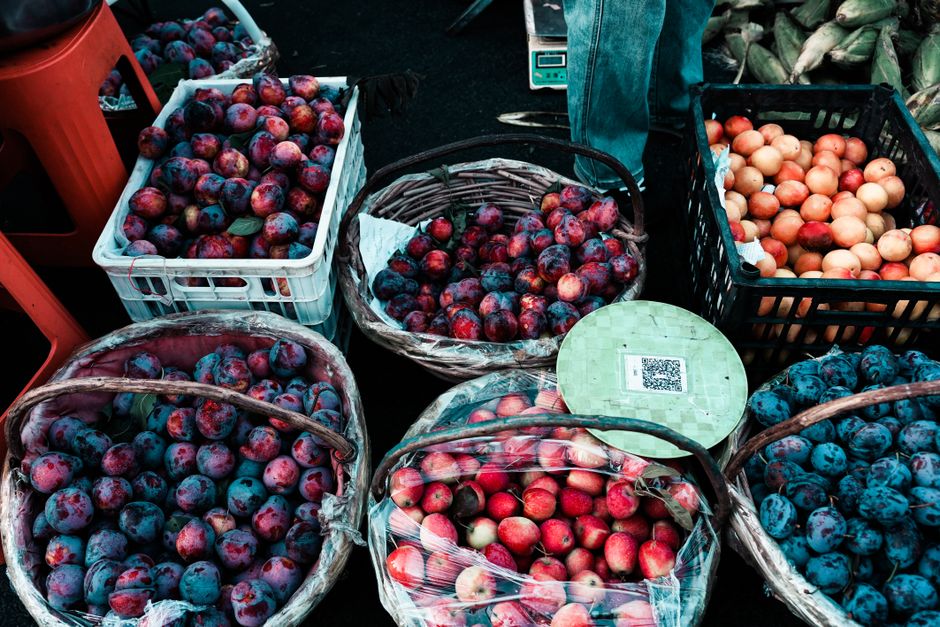
Darwin Red Salty Plums
The bright red, sweet-sour snack that made salty plums a Darwin staple.

White Salty Plums
Pale, fruit-forward and less sweet, often with a visible salt bloom.
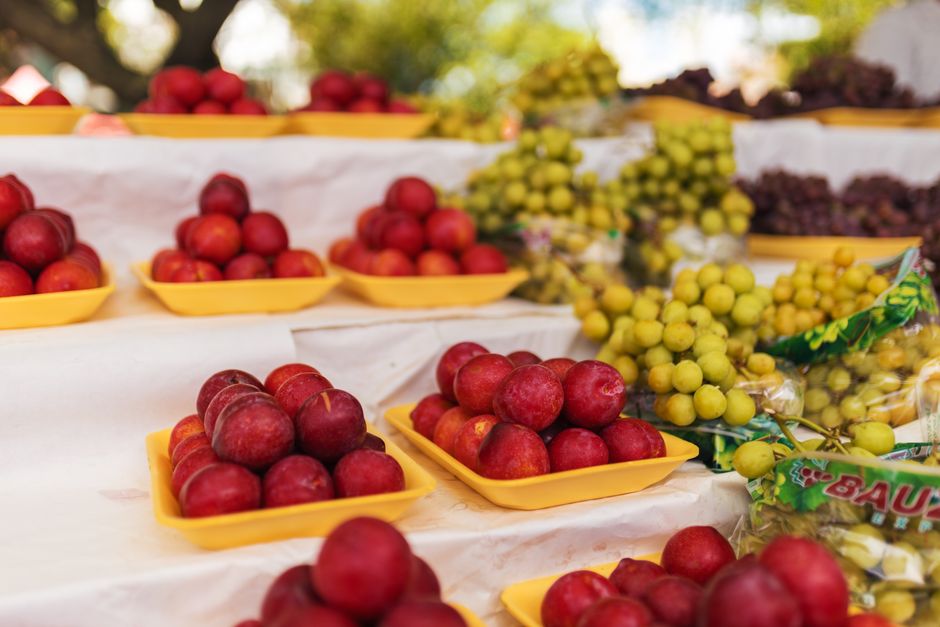
Seedless Salty Plums
Pitted before preserving, softer and easier for drinks, sauces and baking.

Li Hing Mui
Hawaii's sweet-sour preserved plum, and the powder that goes on everything.

Hua Mei
The Chinese plum with a smoky, herbal edge and a long drying tradition.

Umeboshi
Japan's salted ume: bracingly sour, salty and traditionally fermented.

Sweet Preserved Plums
Sugar-forward, gently salted and often the easiest entry point.
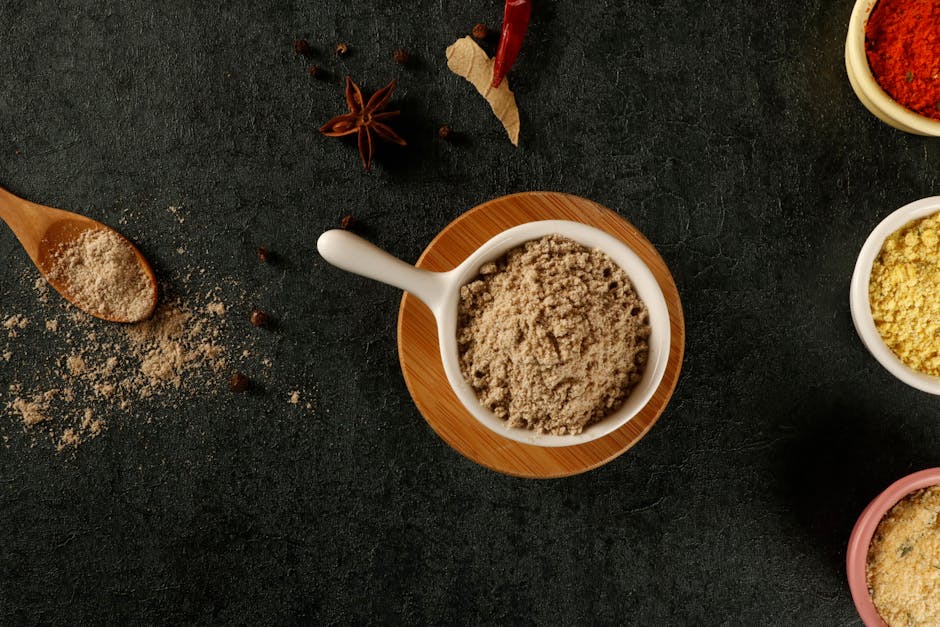
Salty Plum Powder
Ground plum skin and flesh used as a sour-sweet seasoning.
Directory
Find salty plums around Australia
Salty plums turn up wherever there is a Chinese, Vietnamese, Malaysian or Hawaiian grocery trade. Our city guides explain the kinds of shops worth checking — no unverified stockist claims, just useful local knowledge.




Darwin stories
Darwin's salty plum story
Salty plums are stitched into Darwin's multicultural food history. They came north with Chinese and Southeast Asian families, survived cyclones and rebuilds, and became a flavour that Territorians claim as their own.
Browse Darwin StoriesAsk anyone who grew up in Darwin about red salty plums and you will get a story back.
Recipes
Salty plum recipes
Salty plums are built for drinks. The salt sharpens citrus, the sourness cuts sugar, and the fruit adds a savoury edge you cannot fake.
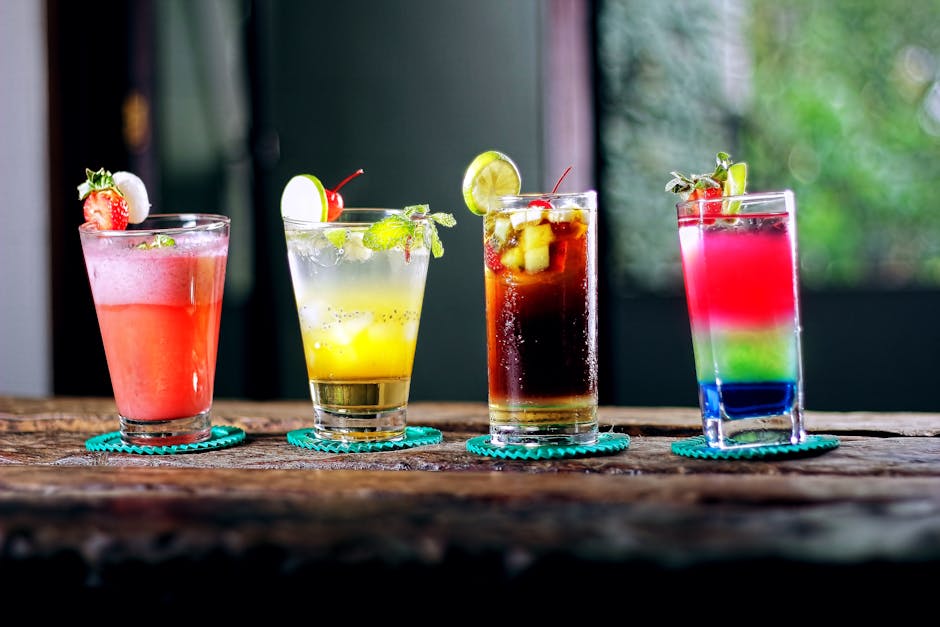 Non-alcoholic
Salty Plum Mocktail
Sparkling, sour and barely sweet.
5 min · Serves 2
 Cocktail
Salty Plum Martini
A savoury, briny twist on a classic.
5 min · Serves 1
 Base
BaseSalty Plum Syrup
Make it once, use it in everything.
15 min · Makes 1 cup
 Guide
GuideSalty Plum Cocktail Guide
How to balance salty plum in spirits.
Technique · 5 drinks
Questions
Popular questions
Short answers to the things people search most, with links to the deeper guides.
Go to Salty Plum 101What exactly is a salty plum?+
A plum preserved with salt — dried, brined or fermented. The name covers Chinese salted plums, li hing mui, hua mei, umeboshi and Darwin's red salty plums. Full guide.
Why are salty plums red?+
Red is added colour, usually allura red (102) or carmoisine (122), not the natural colour of the fruit. It is a style marker strongly associated with Darwin. Why red.
Are salty plums naturally salty?+
No. Salt is added during preserving to draw out moisture and build flavour. Levels vary widely by brand. Salty Plum 101.
What is the white powder on salty plums?+
Usually dried brine, fine sugar, or a preservative such as sodium metabisulphite (223). Even powder on firm fruit is normal. Ingredients explained.
What is li hing mui?+
A Hawaiian-Chinese preserved plum, and the tangy powder made from its skin. Used on fruit, sweets and drinks. Li hing mui explained.
Is umeboshi the same as a salty plum?+
Close cousins, not twins. Umeboshi is Japanese, made from ume, and usually more purely salty-sour; Chinese salty plums are often sweeter. Compare the two.
Do salty plums contain seeds?+
Some do, some do not. Traditional plums keep the stone; seedless versions are pitted first. Varieties.
How are salty plums made?+
Plums are salted, dried or brined, then flavoured with sugar, licorice, herbs and colour. The method changes everything. How they are made.
Articles
Latest guides
Ready when you are
Still craving salty plums?
If you have finished reading and you are ready to eat them, browse the full salty plum range at our online store.
Shop Salty PlumsIn Darwin? Visit The Salty Plum Shop for the local range.